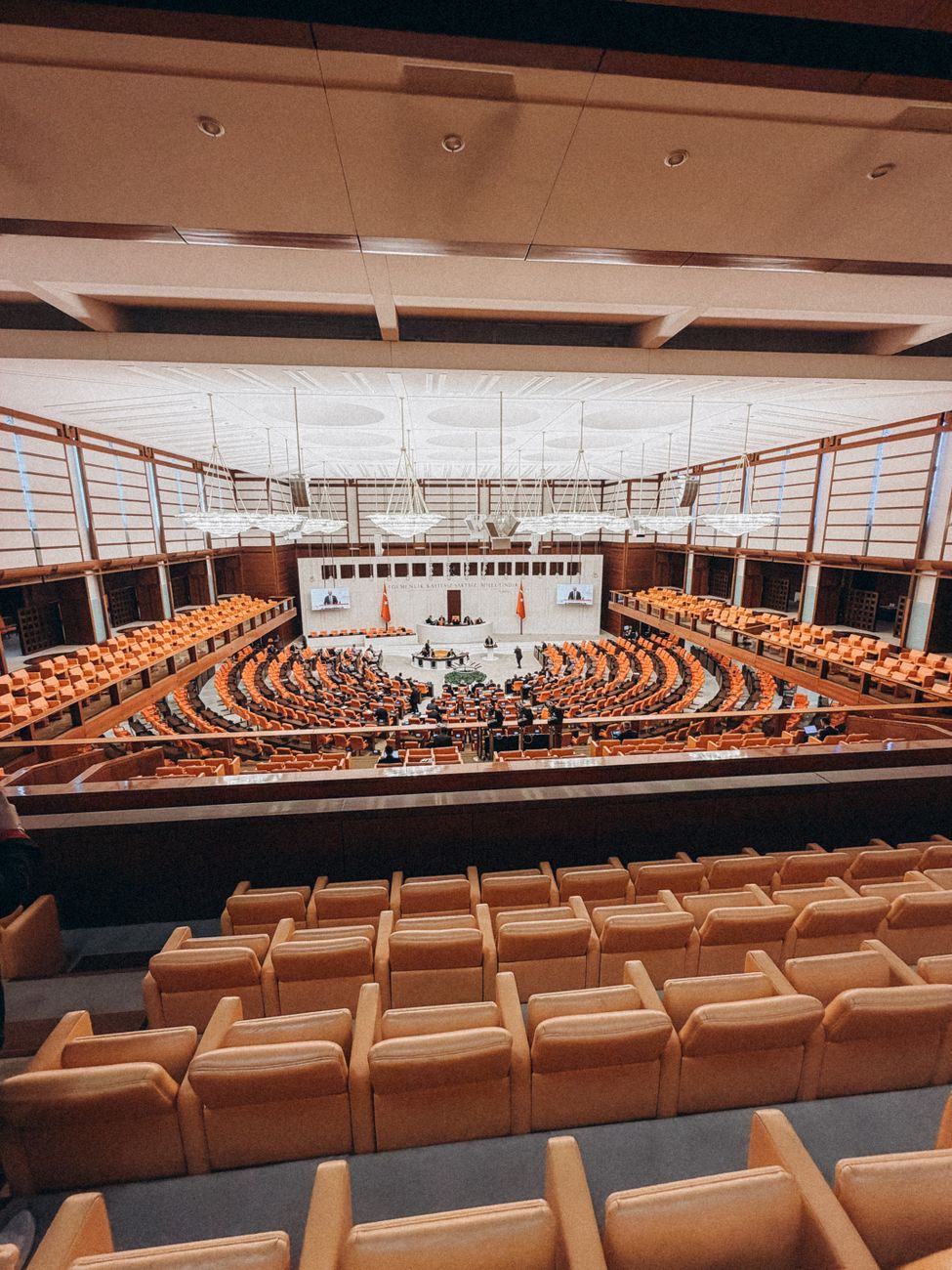
The parliamentary debate surrounding South Africa's localized infrastructure fund and treasury structures officially opened this week, showing clear lines of policy disagreement across municipal frameworks.
At the center of discussion lies a proposed R23 billion restructuring of primary state grants, historically reserved for provincial transportation networks, in favor of municipal utility updates. Opponents argue that reducing transportation support could directly impact rural trade corridors, whereas advocates of the reallocation stress that clean water and basic power storage in developing municipal sectors require immediate, emergency capital intervention.
"Reallocating capital allocations without addressing basic operational capacity within municipal councils is a recipe for fiscal wastage." — Johan van der Merwe, Senior Analyst
Macroeconomic Impacts on the Horizon
Economists tracking local markets warning of persistent inflationary pressures expect these structural reallocations to affect bond yields. Over the past six quarters, domestic debt indicators have hovered near historic bounds, forcing decision-makers to weigh national support frameworks carefully against direct external credit requirements.
- Structural Infrastructure Cuts: Potential delays to rural provincial road expansions.
- Utility Direct Funding: Immediate municipal water grid upgrading projects.
- Provincial Oversight: Introducing strict auditing measures to limit capital leaks.
As deliberations continue over the coming fortnight, citizens are watching closely to see if the final appropriations incorporate stricter anti-corruption tracking frameworks or continue with historic unconditional fund releases.